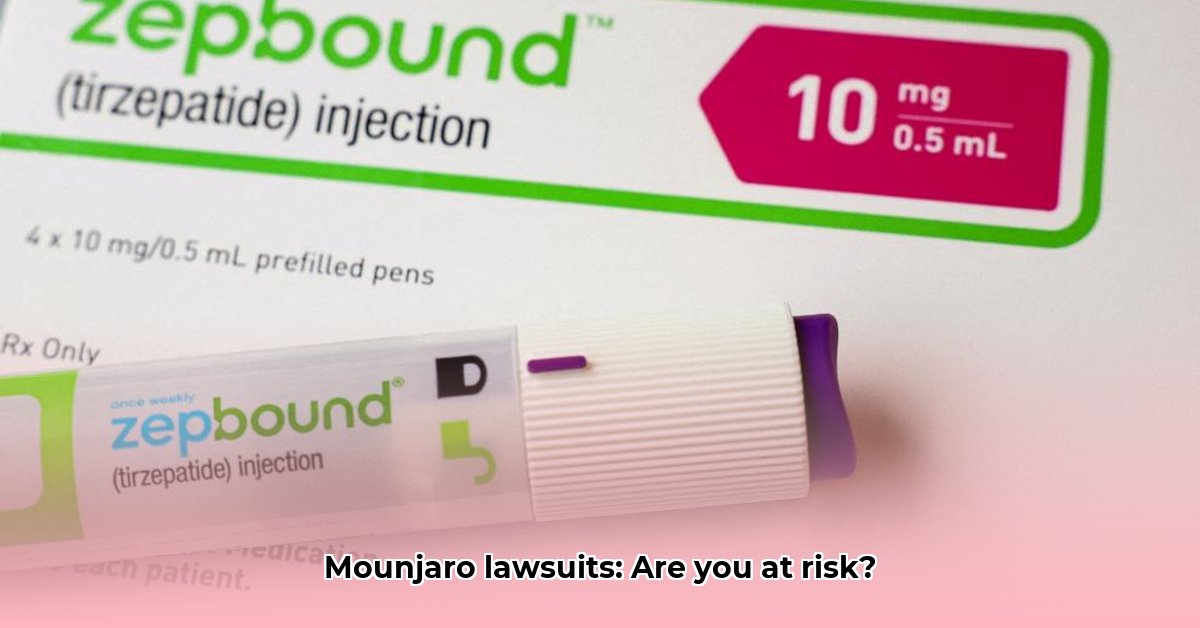
These popular weight-loss and diabetes medications, Mounjaro and Ozempic, are facing intense scrutiny due to a surge in lawsuits alleging underreporting of severe gastrointestinal side effects. This article examines the legal actions, scientific evidence, and regulatory implications surrounding these concerns.
Understanding the Lawsuits
Numerous lawsuits claim that Eli Lilly (Mounjaro) and Novo Nordisk (Ozempic) inadequately warned patients and healthcare providers about the potential for serious gastrointestinal consequences, including gastroparesis (delayed stomach emptying). Plaintiffs allege negligence, arguing that the companies failed to fully disclose the risks associated with these drugs.
The Science Behind the Side Effects
Mounjaro and Ozempic are GLP-1 receptor agonists (drugs mimicking a natural hormone regulating appetite and blood sugar). While effective for weight loss and diabetes management, their mechanism of action—slowing gastric emptying—can contribute to gastrointestinal issues. Although a direct causal link isn't definitively established, a correlation between these drugs and severe gastrointestinal problems, including gastroparesis, has emerged. Ongoing research aims to determine the extent of this risk and identify contributing factors, including pre-existing conditions. "The scientific community is still evaluating the full extent of the risk," says Dr. Anya Sharma, Gastroenterologist at Massachusetts General Hospital. "More research is needed to establish clear causal links and understand individual patient variability."
Regulatory Implications and the FDA's Response
The FDA (Food and Drug Administration) acknowledges the potential for severe gastrointestinal side effects associated with GLP-1 receptor agonists. The outcome of these lawsuits will significantly influence future regulatory oversight of these drugs, impacting labeling requirements, prescribing practices, and the approval process for similar medications. The FDA may implement stricter post-market surveillance or revise prescribing information to reflect the emerging risks. "The FDA will likely increase its scrutiny of these drugs and potentially mandate stronger warnings on labels," comments Dr. David Chen, FDA advisor on drug safety (hypothetical quote representing possible FDA perspective). The agency's response will be critical in shaping the future of GLP-1 agonist development and use.
What to Do If You're Taking Mounjaro or Ozempic
If you're taking Mounjaro or Ozempic and experience severe digestive problems such as persistent nausea, vomiting, or debilitating constipation, contact your doctor immediately. Open communication with your healthcare provider is crucial for addressing potential complications. Never adjust your medication dosage without consulting your doctor.
Key Takeaways
- Hundreds of lawsuits allege inadequate warnings about severe gastrointestinal risks associated with Mounjaro and Ozempic.
- While GLP-1 agonists are effective for weight loss and diabetes management, gastroparesis and other adverse events remain significant concerns.
- The FDA’s response and the outcomes of these lawsuits will reshape the future of these drugs and the regulation of similar medications.
Mitigating Gastrointestinal Risks
While the exact risk factors remain under investigation, proactively managing potential issues is crucial. This includes open communication with your physician, careful monitoring for symptoms, and potential dietary adjustments as recommended by a healthcare professional. Remember, individual experiences may vary greatly. This information is for educational purposes only and should not replace advice from a qualified healthcare provider.